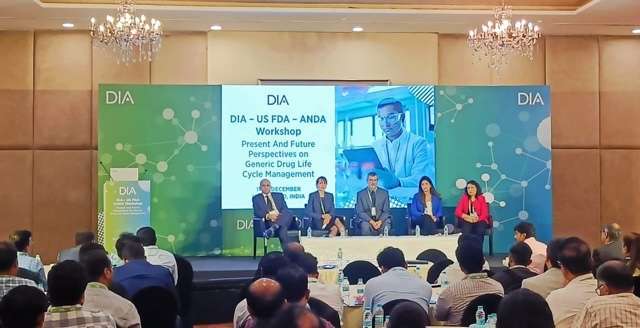
Regulatory policies that govern generic drug applications, like the Abbreviated New Drug Application (ANDA), play a crucial role in ensuring access to safe, efficacious, and high-quality generic products. Best practices in the ANDA process requires a comprehensive understanding of regulatory pathways, robust equivalence documentation, and rigorous quality control measures. Indeed, lifecycle management of approved applications requires compliance with the ever-evolving standards and timely responses to post-approval changes.
Close collaboration between regulatory authorities, like the US FDA, healthcare professionals, and other stakeholders of the pharmaceutical industry is crucial in order to navigate the complex landscape of generic drug regulation. This significantly contributes to the accessibility of cost-effective and high-quality pharmaceutical options for patients.
DIA US FDA ANDA Workshop
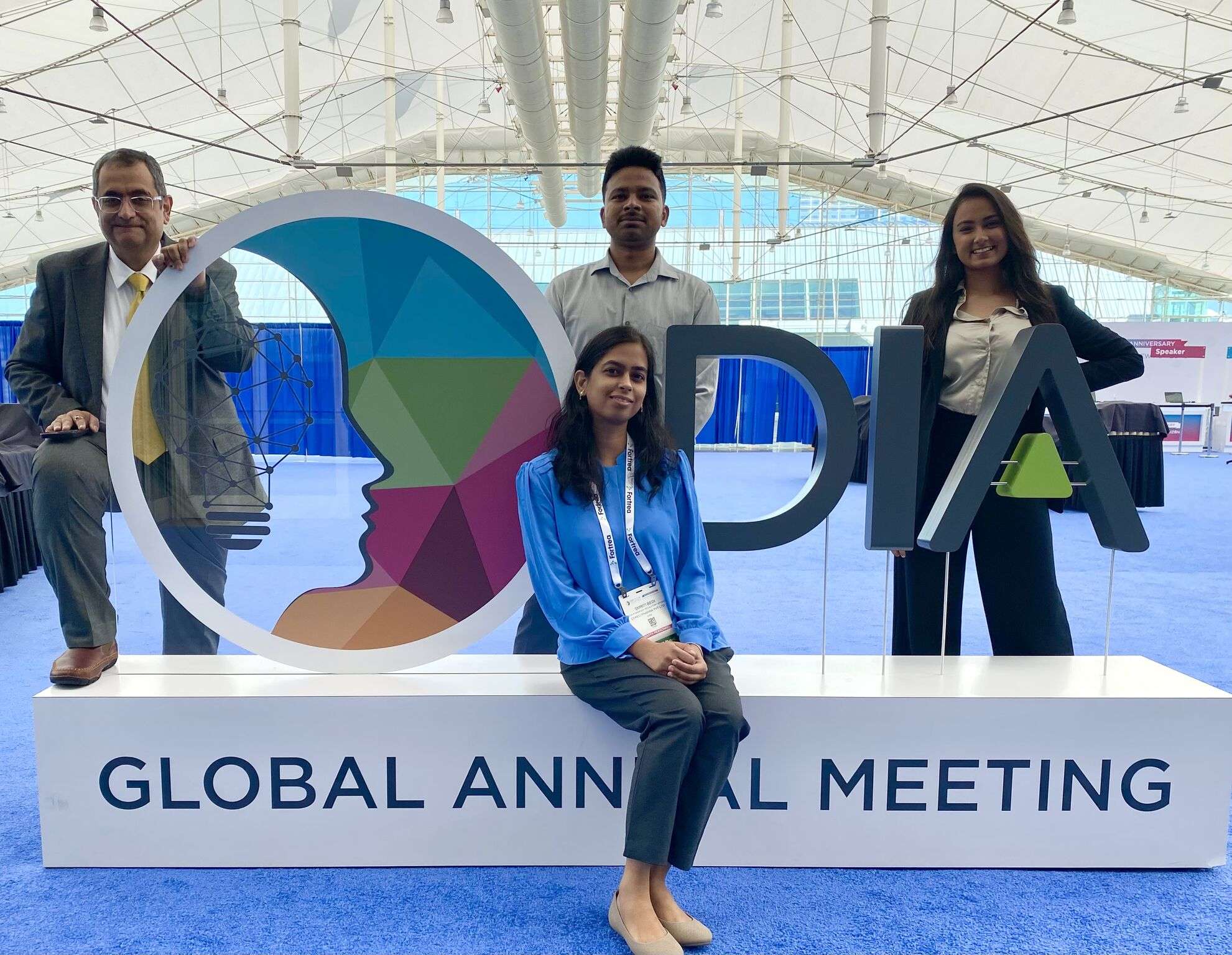
The India Office of US FDA and the Drug Information Association (DIA) held a joint 2-day workshop that addressed critical components of regulatory policies, best practices related to ANDA, and the life-cycle management of approved applications. The workshop provided a platform for FDA subject matter experts to shed some light on ANDA application review processes, common deficiency trends, pre-approval inspections, and post-approval changes. Some of the key sessions in the agenda were:- Overview of the ANDA Review Process
- Major CMC Deficiencies in ANDA Applications
- BE Considerations in Formulation Development
- Overview of Product Specific Inspections
- Quality Expectations for ANDA Submissions
- Assuring Data Integrity in Drug Applications: Regulatory Expectation, Challenges and Case Study
- ANDA First Cycle Approvals
- Best Practices for ANDAs and RTR Statistics
- Best Practices for ANDA Supplements
- Post Approval Changes to ANDA
- Knowledge-Aided Assessment and Structured Application (KASA)
- Best Practices and Strategies for Communication with FDA for ANDA