Pharmaceutical companies are in a period of great development and transformation through information technology and data science. Traditionally, pharmacovigilance processes evolved out of data that came from clinical trials and regulatory submissions, open for quite a while now to involve new dimensions with real-world data.
Real-world data (RWD) is a collection of insights derived from everyday clinical settings, patient interactions, and broader population studies. Unlike traditional clinical trial data confined by controlled environments and predefined protocols, RWD offers a holistic view of how drugs perform in diverse, real-life scenarios. This evolution can prove to redefine how pharmaceutical manufacturers, healthcare providers, and regulators ensure drug safety.
Role of Real-World Data in Modern Pharmacovigilance
- RWD Expands Drug Safety Monitoring
- Enhanced Signal Detection and Post-Market Surveillance
- Personalized and Real-Time Monitoring
Regulatory Momentum
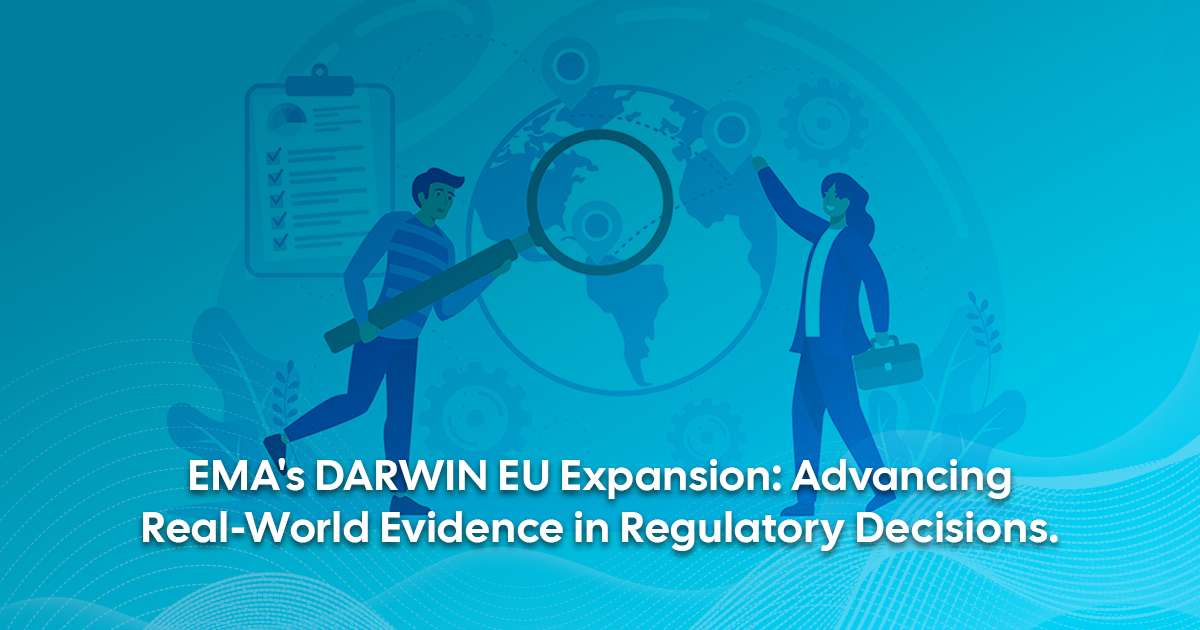
While the industry is adapting to the increasing reliance on RWD, regulatory bodies have been leading the way in the incorporation of RWD into the safety monitoring of drugs. A number of diverse and key events indicate the commitment of agencies, such as the U.S. Food and Drug Administration or the European Medicines Agency, to install RWD in complementary avenues to benefit drug safety. FDA's Leadership in RWD Integration The FDA has demonstrated a strong commitment to using RWD for pharmacovigilance. The FDA Amendments Act of 2007 called for the establishment of the Active Postmarked Risk Identification and Analysis (ARIA) system, which specifically recognized the value of RWD. The Sentinel Initiative commenced in 2008 and provided a national electronic system for monitoring the safety of FDA-regulated medical products. This initiative enables rapid analysis of such RWD from a variety of sources in real-time, thus enhancing the FDA's capability to identify safety concerns. The FDA's Real-World Evidence Data Enterprise focuses on integrating longitudinal EHR data with claims data. This initiative allows analyses that could not have otherwise been addressed solely with claims data. Additionally, TreeScan is an AI-based tool used by the FDA employed to detect safety signals and validate the use of RWE, leading to the reinforced expectation from the FDA that Marketing Authorization Holders should begin incorporating Real-World Data into their pharmacovigilance systems. EMA’s DARWIN Initiative The EMA also has a framework called Data Analysis and Real-World Interrogation Network (DARWIN) initiative, which aims to harness RWD to support regulatory decisions across Europe. Currently, DARWIN holds RWD for 130 million patients, contributed by 40 data partners. This initiative is pivotal in ensuring that the regulatory process remains informed by real-world insights, particularly for post-marketing drug safety monitoring.Democratization of AI
In parallel with regulatory momentum, the democratization of AI is revolutionizing how pharmaceutical companies approach AI technologies, particularly natural language processing (NLP) to analyze large volumes of unstructured data, such as clinical notes, patient reports, and social media posts.- AI Milestones: BERT, GPT, and Beyond
- Lowering Barriers to Entry